


13 May

Why unified communication holds the key for successful hybrid work
The surge in hybrid work models, where employees split their time between the office and remote locations, has spotlighted the need for seamless communication. Unified communication platforms are critical in bridging the gap between disparate work environments and ensuring smooth,
13 May

Look Beyond Email Communication
Effective communication is the lifeblood of any successful organization, yet the reliance on email as the primary mode of communication often falls short. According to a recent survey by Workfront, 60% of workers waste up to an hour each day
13 May

Are you ready for the next great disruption in hybrid work model
As businesses navigate the ever-evolving landscape of hybrid work models, they face both opportunities and challenges on the horizon. While hybrid working promises increased flexibility, improved work-life balance, and potentially higher employee satisfaction, its implementation is not without its hurdles.
13 Apr

How to improve effective team communication and collaboration in hybrid teams
Navigating the hybrid work environment needs a clear and thoughtful approach to communication. As more hybrid workers split time between home and office, the way teams connect and collaborate continues to change. Strong collaboration in hybrid teams depends on clarity,
13 Apr

Hybrid work requires the right mix of communication
Gone are those days when your colleagues would drop in at your desk and ask “Hi, do you have a minute?” Ever since the pandemic struck, most of us are working virtually and face-to-face interactions were quickly replaced by instant
13 Apr

How the hybrid model will reshape the workplace in 2026
Hybrid workplaces are fast being adopted in the corporate world due to the flexibility it brings to the employees. More than 90% of employers are planning to adopt hybrid work model best practices for their knowledge workers in 2026. In
13 Apr
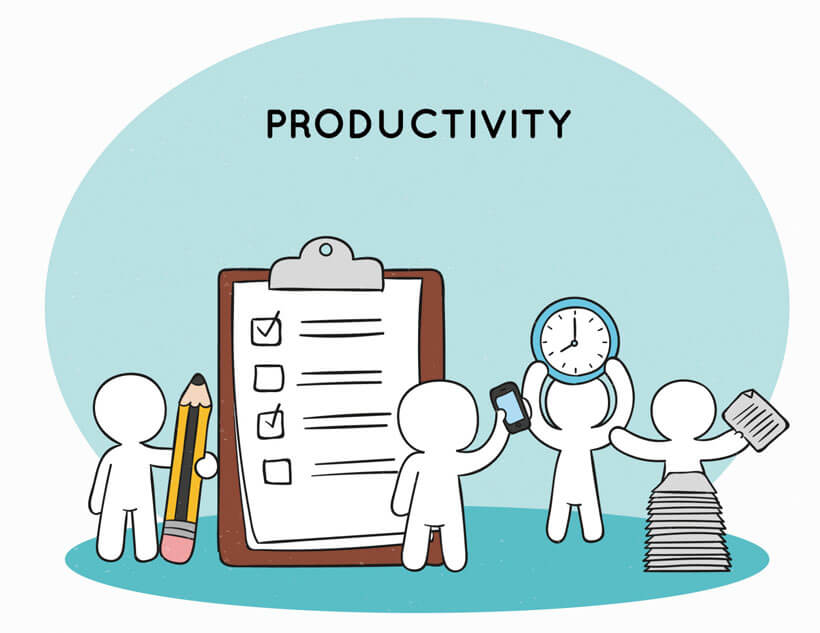
Best tips to increase business productivity in 2023
Though improving productivity in the workplace can be very beneficial to companies, it is not always the easiest thing to do. More people working for more hours does not result in more productivity. Business productivity is not measured by the
19 Jan

Is the future of work silo-less?
Department silos Traditionally companies have many departments with each department focused on a specific activity. For example, an accounting department focuses on managing the financial aspects of the company including customer billing, keeping track of receivables, paying vendors for their
11 Jan

How to secure remote access for the hybrid workplace
As the hybrid model combines the best of both physical workplace and remote workforce, it is slowly becoming the dominant workplace model. A recent survey indicates that 44% of employees and 63% of organizations favor a hybrid work schedule. For
11 Jan

What are the major problems with hybrid workplaces and how Clariti helps to overcome them
As organizations embrace the hybrid work model, combining remote and in-person work arrangements, they encounter a multitude of challenges. From the intricacies of activity-based working to the intricacies of hybrid meetings and managing hybrid teams, the landscape of hybrid workplaces