


Workplace, Blog
20 Proven Ways Effective Communication Tools Boost Team Productivity in 2026
- By Vinod Kumar VR
- No Comments


- Published on
- 20 min read

Blog Summary
Effective communication is central to boosting workplace productivity, and 2026 highlights this with a mix of strategy and technology.
The blog emphasizes 20 practical ways organizations can enhance communication, starting with selecting the right tool and avoiding disconnected apps. It recommends fostering instant messaging, using reliable email systems, and investing in audio-video and cloud tools to support remote collaboration.
Productivity further improves through strategies like open communication channels, collaborative tool integration, and setting clear expectations. Practices such as active listening, regular meetings, constructive feedback, and even visual communication play a major role in team alignment. Building a positive team culture, using face-to-face communication, and offering communication training ensure long-term efficiency.
The blog also presents the 20 most popular communication tools in 2026, with Clariti leading the list for its context-based, AI-powered Conversations.
Other tools include Slack, Zoom, Google Chats, and Skype, each catering to different communication needs. These platforms, when used correctly, drive focus, reduce confusion, and elevate team performance in modern workplaces.
View more
In the modern business world, clear and simple communication is key to success. To stay productive and competitive, companies now depend on tools for effective communication to support daily work and teamwork. In the today workplace, all companies in today’s workplace allow employees to text or instant message on the job. This means employees can send a quick message on the job, share updates, and respond faster. These communication tools in the workplace help employees share ideas, reduce confusion, and stay connected throughout the day. Clear communication builds strong teamwork, especially as remote and hybrid work continue to grow. With the right effective communication tools in the workplace, teams can work smoothly, send mail messages, use text messaging, and stay aligned from any location.
Effective communication tools play a major role in helping employees connect across cities, countries, and time zones. As remote teams grow, the need for reliable team communication tools has increased. These tools support real-time chat, quick replies, video calls, and easy file sharing. In the today workplace, sending a short message on the job through text messaging is normal and expected. Studies show that 92% of employees believe the right communication technology improves productivity and job satisfaction. This shows why choosing the right tools for effective communication matters so much.
One key benefit of communication tools in the workplace is that they bring all conversations into one place. Team members can manage chat, voice calls, video meetings, mail messages, and text messaging from a single system. This reduces the need to juggle too many apps in the company tech stack. When communication stays organized in one place, teams avoid confusion and lost information. Employees can quickly find old mail messages or check a past message on the job without stress. This makes daily work simpler and helps teams respond with clarity and confidence.
Many effective communication tools in the workplace also offer features like file sharing, project updates, and integration with other systems in the tech stack. These features help teams organize tasks, share documents, and track progress without switching tools. Research shows that businesses using modern collaboration and team communication tools see a 20–30% rise in productivity. This proves that the right communication tools in the workplace can improve team performance in clear and measurable ways.
In a fast-moving digital world, effective communication tools are not optional. They are essential for growth and stability. In the today workplace, where all companies in today’s workplace allow employees to text or instant message on the job, strong communication systems are necessary. These tools increase transparency, improve trust, and strengthen teamwork. When employees can easily send text messaging updates or mail messages, they feel informed and confident. Clear communication keeps teams engaged and motivated.
Whether you lead a startup or a large company, selecting the right tools for effective communication can shape long-term success. The best team communication tools strengthen your tech stack, improve daily communication, and help teams reach goals faster. When communication flows well, work becomes smoother and more focused.
In this blog, we will explore 20 ways effective communication tools in the workplace can boost productivity. We will also review 20 of the most useful communication tools in the workplace for 2026. Each tool will be explained in simple terms, including features, benefits, and how it supports the modern today workplace.
The Importance of Effective Communication in the Workplace
Effective communication is very important for teamwork, clarity, and productivity. When communication is open and simple, employees understand goals, daily tasks, and project needs. Using tools for effective communication helps everyone stay informed and reduces mistakes. These effective communication tools in the workplace make it easier to share updates, send mail messages, use text messaging, and respond to a message on the job quickly. When communication is steady and clear, employees feel supported and connected. This builds trust and a healthy workplace culture.
Effective communication also helps teams solve problems and make better decisions. When employees can share ideas and feedback easily, conversations become clearer and more useful. This open approach builds trust and supports creativity. With modern communication tools in the workplace, teams can collaborate through chat, video calls, and text messaging. These team communication tools reduce delays and keep everyone on the same page. When the right effective communication tools are part of the company tech stack, employees work together more smoothly, stay productive, and help the organization grow in a steady and healthy way.
20 Ways Effective Communication in the Workplace Boosts Productivity
1. Use the Right Communication Tool
Using the right tools for effective communication, such as AI-powered Clariti, can greatly improve productivity in the workplace. Clariti brings together emails, chats, documents, calendar events, and feeds into one simple platform. This makes it one of the most practical team communication tools for modern businesses. By keeping everything in one place, Clariti helps teams communicate clearly and work faster.
When employees do not need to switch between many apps in their tech stack, they save time and stay focused. Clariti reduces distractions by offering a single interface for all communication needs. This helps teams find information quickly and complete tasks without delays. Clariti also uses AI to organize conversations into context-rich hybrid Conversations. This makes it easier to search past messages, documents, and discussions. With these effective communication tools, teams can collaborate better, share ideas, and make informed decisions.
Clariti supports real-time collaboration through text messaging, voice calls, and document sharing. These features allow employees to work together smoothly, even when they are in different locations.
2. Avoid Disconnected Apps
Many organizations use multiple apps to improve communication in the workplace. However, this often creates information silos. On average, employees use 4–6 apps daily to complete their work. Switching between these apps wastes nearly one hour of productivity every day.
Too many disconnected apps also weaken message clarity. Important updates get scattered, and communication quality suffers. Avoiding disconnected apps and choosing unified communication tools in the workplace is one of the best ways to improve efficiency and teamwork.
3. Encourage Instant Messaging
Instant messaging has become an essential part of workplace communication. The ability to send quick messages at any time helps teams respond faster. In 2019, the number of global instant messaging accounts crossed 7 billion, and this number continues to grow.
Chat and text messaging are now the second most-used workplace activity after email. Together, they take up over five hours of an employee’s workday. Encouraging instant messaging through effective communication tools helps teams stay connected and productive.
4. Have an Effective Email System
Email remains one of the most widely used communication tools in the workplace. On average, employees read and write 50–60 emails every day. Studies show that office workers spend nearly 2.5 hours daily checking emails.
While email will continue to be important, it should be used wisely. Emails work best when quick chats are not possible. Using an effective email system alongside modern team communication tools improves clarity and reduces overload.
5. Encourage Audio-Video Tools
Audio and video tools are important for strong workplace communication. Video meetings help teams connect visually, which improves understanding and trust. Video conferencing also supports remote work, which is growing by over 100% each year.
Companies that use video tools and support remote work save up to $11,000 per employee annually. These effective communication tools in the workplace help teams collaborate better, no matter where they work from.
6. Subscribe to Cloud Tools
Cloud tools allow employees from different locations to work together in real time. Cloud-based communication tools in the workplace support collaboration without location limits. Employees can access files, chats, and meetings from anywhere.
Earlier, many companies avoided cloud tools due to security concerns. Today, cloud usage is growing fast as businesses see the benefits. Choosing cloud-based tools for effective communication, such as Clariti, improves productivity and flexibility.
7. Open Communication Channels
Open communication channels are essential for effective workplace communication. When employees feel safe sharing ideas and concerns, teamwork improves. Transparency reduces misunderstandings and keeps everyone aligned with shared goals.
Open communication also speeds up problem-solving. Teams become more engaged, confident, and motivated. By removing communication barriers, effective communication tools in the workplace help information flow smoothly and boost productivity.
a. Collaborative Tools Integration
Integrating collaborative tools is a key part of effective communication in the workplace. Platforms like Clariti combine text messaging, voice calling, screen sharing, and file sharing into one system. This creates a connected digital workspace.
With integrated team communication tools, tasks are easier to manage and track. Shared calendars and task updates improve accountability. This integration helps teams work together efficiently and stay productive.
b. Clear Goals and Expectations
Clear goals and expectations improve communication and productivity. When everyone knows what to do, tasks stay aligned. Clear direction reduces confusion and mistakes.
Employees manage time better and focus on priorities. Clear goals also motivate teams and create purpose. Combined with effective communication tools, clarity helps teams achieve better results.
c. Active Listening Cultivation
Active listening is a key part of effective communication in the workplace. When employees truly listen, they understand instructions and feedback better. This reduces errors and improves teamwork.
Active listening builds respect and trust among team members. It encourages thoughtful discussions and innovation. With the support of communication tools in the workplace, active listening strengthens collaboration and boosts productivity.
11. Regular Team Meetings
Regular team meetings are one of the most reliable tools for effective communication in any organization. They help teams talk clearly, stay aligned, and work better together. Meetings give employees a shared space to discuss goals, review progress, and raise concerns. This open exchange reduces confusion and keeps everyone informed.
When teams meet often, they rely less on scattered text messaging and unclear updates. Meetings support stronger coordination across the team communication tools already used in the tech stack. They also improve accountability, as tasks and deadlines are reviewed openly. Over time, regular meetings strengthen trust, build focus, and support steady productivity through better communication tools in the workplace.
12. Constructive Feedback Practices
Constructive feedback is one of the most important effective communication tools in the workplace. It helps employees understand what they are doing well and where they can improve. Clear and kind feedback supports learning and better performance. It also reduces repeated mistakes and saves time.
When feedback is shared often, teams improve faster. Employees feel supported rather than judged. This creates a healthy work culture where people are open to growth. Feedback works best when combined with simple team communication tools that allow quick follow-ups. Over time, strong feedback habits improve skills, boost confidence, and increase team productivity.
13. Visual Communication Strategies
Visual communication is a simple yet powerful part of effective communication tools. Charts, images, and diagrams make ideas easier to understand. They help teams learn faster and make decisions with less effort. Visuals reduce long explanations and cut down confusion.
In modern workplaces, visuals work well with team communication tools and shared platforms. They help teams see progress, data, and plans at a glance. Visual content also improves memory and clarity. When teams use visuals often, work moves faster. This makes visual communication one of the most useful tools for effective communication in daily work.
14. Positive Team Culture
A positive team culture strengthens effective communication tools in the workplace. When people feel safe and respected, they speak openly. This leads to better idea sharing and faster problem solving. Trust makes communication smooth and honest.
Positive teams use communication tools in the workplace more effectively. Messages are clear. Feedback is welcomed. Conflicts are solved early. A good culture also improves morale and motivation. When teams enjoy working together, productivity rises naturally. Strong culture supports better teamwork, better focus, and better results.
15. Technology for Remote Collaboration
Remote work depends heavily on communication tools in the workplace. Video calls, shared files, and real-time chats help teams work together from anywhere. These tools remove distance barriers and keep work moving.
Modern team communication tools allow fast updates and quick decisions. They reduce delays and support flexible work hours. Remote tools also support better work-life balance. When teams use the right tech stack, remote collaboration becomes smooth and reliable. This makes remote communication a core part of effective communication tools in the workplace.
16. Role Clarification
Clear roles are essential for tools for effective communication to work well. When people know their duties, messages become simple and direct. There is less overlap and less confusion.
Role clarity helps teams use team communication tools with purpose. Each person knows what to share and when. This improves accountability and task ownership. Clear roles also reduce stress and wasted effort. When everyone understands their role, teamwork improves and productivity increases across the workplace.
17. Continuous Feedback Loops
Continuous feedback loops support effective communication tools by keeping communication active and current. Small and regular feedback helps teams adjust quickly. Problems are fixed early before they grow.
These feedback loops work well with modern team communication tools and text messaging systems. Teams stay aligned and responsive. Continuous feedback also builds learning habits and flexibility. Over time, this leads to stronger performance, faster improvement, and higher productivity across the organization.
18. Face-to-Face Communication Emphasis
Face-to-face communication is a powerful part of effective communication tools in the workplace. It helps people understand tone, emotion, and intent. This reduces confusion that can happen in written messages.
Even virtual face-to-face meetings improve clarity. They build trust and connection. When combined with digital communication tools in the workplace, face-to-face interactions strengthen teamwork. Teams that see and hear each other work better together and stay more engaged.
19. Conflict Resolution Strategies
Conflict resolution is a critical part of tools for effective communication. When issues are solved early, work continues smoothly. Open discussion helps teams stay focused on goals instead of problems.
Good conflict handling uses clear communication and active listening. Team communication tools help track discussions and decisions. When conflicts are managed well, trust improves. Teams become stronger and more productive. Healthy resolution keeps the workplace calm and cooperative.
20. Communication Training Investment
Communication training improves how teams use effective communication tools in the workplace. Training helps employees speak clearly, listen better, and write simple messages. This reduces mistakes and delays.
When teams understand how to use communication tools in the workplace, work becomes easier. Training also aligns teams on communication rules and expectations. Over time, skilled communication leads to faster work, better teamwork, and higher productivity. Investing in communication training supports long-term success.
20 Most effective communication tools in the workplace
This list of the 20 Most Popular Workplace Communication Tools includes a range of platforms designed to enhance productivity, streamline workflows, and foster a collaborative environment. From AI-powered solutions like Clariti to widely adopted tools like Slack, these platforms offer unique features that cater to diverse team needs, ensuring seamless communication and efficient project management.
1. Clariti

Clariti is one of the most popular and effective communication tools for the workplace due to its unique blend of features designed to streamline communication and collaboration. Its AI-powered platform integrates email, chat, documents, and calendar events into context-rich hybrid Conversations, ensuring that all team members stay organized and focused. Clariti’s unique machine learning algorithm identifies, collects, and makes deep connections with relevant contexts from all your communication, to make your work easier.
Clariti uses Artificial intelligence in communication, so you not only know who said, what and when, but also WHY – without changing the way you work!
With Clariti, users can effortlessly manage projects, share information, make decisions, and maintain context across various channels, making it the preferred choice for enhancing productivity and efficiency in the workplace.
Pros
- Combines emails, chats, and files into contextual conversations.
- AI-driven communication insights.
- No need for multiple apps.
Cons
- Learning curve for people who are new to hybrid conversations.
Why we chose this tool
- Seamless integration of emails and chats.
- AI-powered context management.
- Organized communication for teams.
Pricing Info
- Premium plans are available on request.

2. Zoho Cliq

Zoho Cliq is a team communication tool designed for real-time messaging, collaboration, and workflow coordination within organizations. It offers one-on-one and group chats, channels, voice and video calls, file sharing, and deep integration with the Zoho ecosystem and third-party business apps. Zoho Cliq is well suited for small to mid-sized businesses that want a centralized communication platform connected closely with CRM, project management, and productivity tools.
Pros
- Tight integration with Zoho’s business applications.
- Clean and easy-to-use interface.
- Supports automation and bots for workflows.
Cons
- Limited appeal outside the Zoho ecosystem.
- Advanced features require higher-tier plans.
Why we chose this tool
- Strong fit for businesses already using Zoho products.
- Balances chat, calls, and integrations effectively.
- Scales well for growing teams.
Pricing Info
- Free plan available with basic chat and limited features.
- Paid plans start at approximately $1/user/month.
3. Zoom
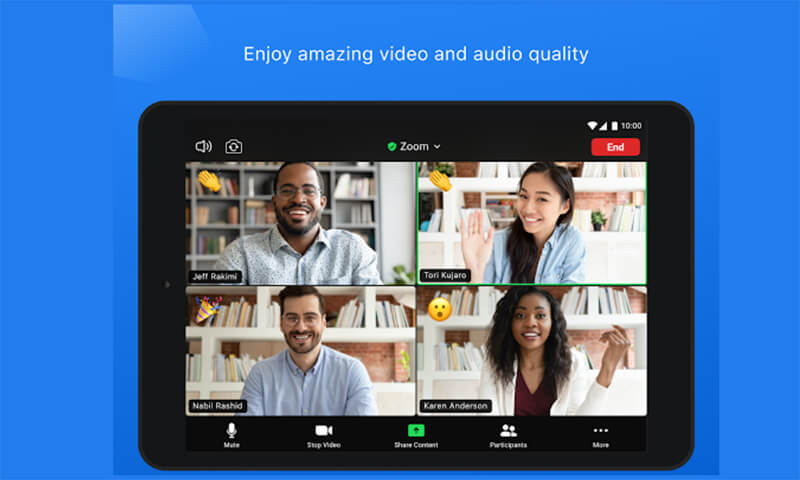
Zoom is one of the best tools for effective communication in the workplace because it allows team members to connect with each other in real time, regardless of location. This can be particularly helpful for teams who are spread out across different geographical areas.
Zoom also offers a number of features that help to facilitate communication, such as group chat and file sharing. In addition, Zoom is very user-friendly and easy to set up, which makes it a great option for businesses who want to improve communication and productivity.
Pros
- High-quality video conferencing.
- Supports large meetings.
- Strong screen-sharing capabilities.
Cons
- Occasional privacy concerns.
- Limited free plan.
- Requires strong internet bandwidth.
Why we chose this tool
- Reliable for virtual meetings.
- User-friendly interface.
- Trusted globally for team collaboration.
Pricing Info
- Free basic plan.
- Paid plans start at $14.99/user/month.
4. Discord

Discord is a cloud communication platform that supports voice, video, and text chat in real time. Originally popular with gaming communities, it has grown into a flexible tool for team communication across industries. Users can create organized channels for different topics, use voice rooms to talk live, and share files or links easily. Discord works on desktop and mobile devices, making it a convenient option for teams that need quick and immediate communication.
Pros
- Free voice, video, and text communication.
- Highly customizable channels and roles.
- Works across desktop and mobile.
Cons
- Not designed specifically for business workflows.
- Can be distracting with non-work chats.
Why we chose this tool
- Great for real-time communication in teams.
- Easy setup and familiar interface for many users.
Pricing Info
- Free plan available.
- Premium starts at ~ $9.99/month.
5. Skype
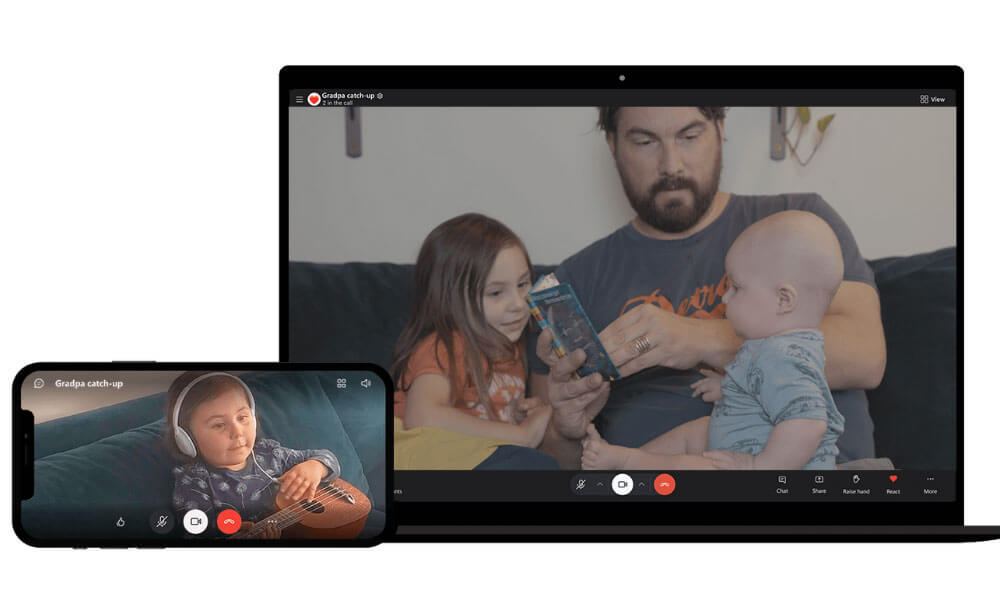
Skype is one of the most popular workplace communication tools. One key feature of Skype is video conferencing, which can be used for team meetings, training sessions, and other types of collaboration. Skype also offers instant messaging, making it possible to have quick conversations without interrupting workflow.
In addition, Skype provides a platform for file sharing, making it easy to send documents and other files back and forth. Skype’s call forwarding feature ensures that calls can be transferred to another device if necessary. All of these features make Skype one of the most popular communication tools in the workplace.
Pros
- Video and voice calling.
- Screen-sharing feature.
- Instant messaging.
Cons
- Lower video quality than competitors.
- Needs strong internet.
- Not as feature-rich for large teams.
Why we chose this tool
- Popular for one-on-one communication.
- User-friendly.
- Cross-platform compatibility.
Pricing Info
- Credits required for international calls.
6. Twist
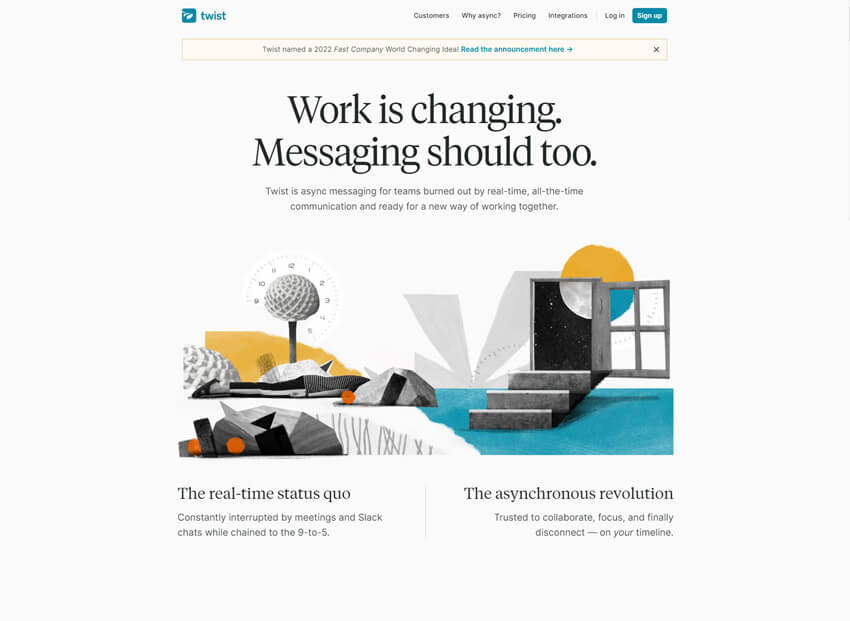
Twist is a team communication tool built for focused, asynchronous work. Instead of a constant stream of messages, Twist organizes discussions into threads that are easy to follow. This helps teams reduce noise and stay on topic without feeling pressured to respond instantly. Twist also supports file sharing and workflows that make it simple to track ideas and decisions over time. It is especially well suited for remote and distributed teams that need clear, thoughtful conversations.
Pros
- Thread-based communication keeps discussions organized.
- Less noise than chat-first tools.
- Good for async team conversations.
Cons
- Limited voice/video features.
- Not as feature-rich as larger collaboration suites.
Why we chose this tool
- Helps reduce clutter and improve focus.
- Ideal for teams working across time zones.
Pricing Info
- Free plan available.
- Premium starts at ~ $5/user/month.
7. Troop Messenger

Troop Messenger is a business-focused team communication tool built with an emphasis on security and control. It supports instant messaging, group chats, voice and video calls, file sharing, screen sharing, and features like message recall and remote logout. Troop Messenger is often used by organizations that require tighter control over internal communications and data access.
Pros
- Strong security and admin controls.
- Supports on-premise deployment.
- Rich communication features.
Cons
- Interface can feel dated.
- Limited third-party integrations.
Why we chose this tool
- Suitable for security-sensitive organizations.
- Offers both cloud and on-premise options.
- Designed specifically for internal team use.
Pricing Info
- Free plan with limited trial availability.
- Paid plans start at approximately $2.5/user/month.
8. Brosix

Brosix is a secure effective communication tool that is built for business teams that prioritize private communication networks. It offers team chat, voice and video calls, file transfer, screen sharing, and administrative control over user access. Brosix is particularly popular among teams that want a private, encrypted communication environment without relying on public chat networks.
Pros
- Private and encrypted team networks.
- Strong administrative control.
- Reliable file transfer and screen sharing.
Cons
- Fewer modern collaboration features.
- UI feels less contemporary.
Why we chose this tool
- High focus on secure internal communication.
- Suitable for regulated industries.
- Reliable for small and mid-sized teams.
Pricing Info
- Free plans available with limited features.
- Paid plan starts at approximately $4/user/month.
9. Miro
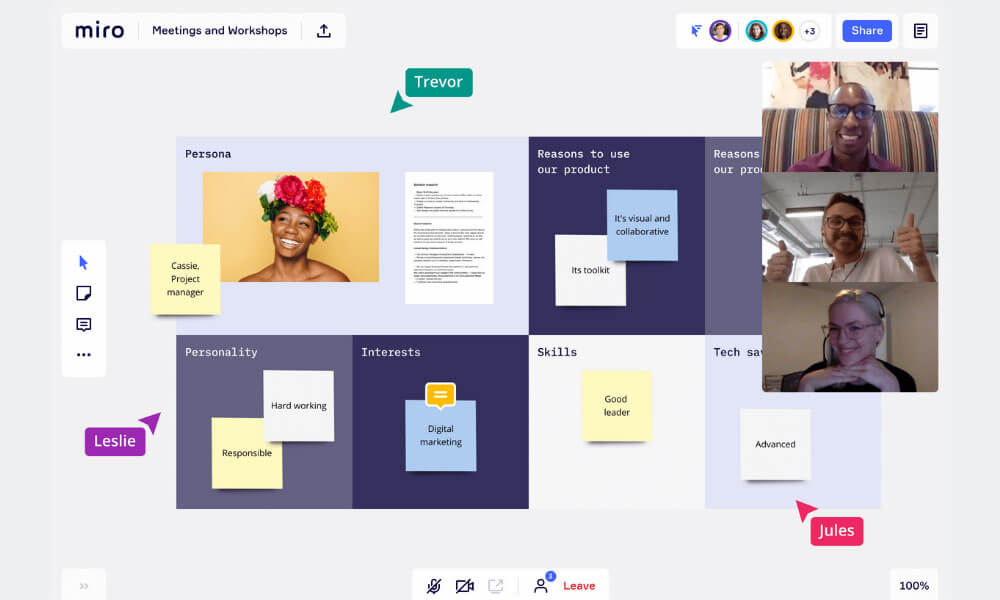
Miro is an online visual collaboration platform that allows teams to work together on digital whiteboards. It supports idea mapping, planning sessions, flowcharts, and design thinking in a shared space. Team members can add sticky notes, draw, and build visual diagrams in real time or asynchronously. Miro integrates with many productivity tools to support broader workflows. It is ideal for teams that want to boost creativity, brainstorm ideas, and plan visually.
Pros
- Visual collaboration via shared whiteboards.
- Supports team brainstorming and planning.
- Integrates with many productivity tools.
Cons
- Not a core messaging/chat platform.
- Free plan limits number of editable boards.
Why we chose this tool
- Excellent for visual idea sharing and workshops.
- Strong for design thinking and planning sessions.
Pricing Info
- Free plan available.
- Premium starts at ~ $8/user/month.
10. Mattermost

Mattermost is an effective communication tool for the workplace, particularly for teams that prioritize security, flexibility, and customization. As a self-hosted platform, Mattermost offers robust data privacy controls, allowing organizations to manage sensitive information in compliance with security protocols. It facilitates seamless cross-platform communication through channels, direct messaging, and threaded conversations, ensuring team members stay connected on desktop, mobile, or web. Mattermost also integrates with popular business tools like GitHub, Jira, and Jenkins, streamlining workflows and offering extensive customization options for diverse team needs. This makes Mattermost ideal for industries like technology, healthcare, and government, where data security and efficient collaboration are essential.
Pros
- Strong security and privacy, designed for enterprises.
- Customizable with open-source flexibility.
- Integrates with hundreds of tools, perfect for DevOps teams.
Cons
- Can be complex to set up.
- Less intuitive than other platforms.
- Limited features in the free plan.
Why we chose this tool
- Ideal for teams requiring high security and privacy.
- Open-source for extensive customization.
- Great for development teams with specific needs.
Pricing Info
- Free plan available.
- Paid plans start at $10/user/month.
11. Fleep

Fleep is one of the most effective communication tools for the workplace that allows real-time messaging, which can be helpful when coordination between team members is needed. Additionally, Fleep provides a threaded message format, which makes it easy to follow conversations. This is especially useful when conversations involve multiple people and there is a lot of back-and-forth. Finally, Fleep integrates with other tools that businesses use, such as Google Drive and other productivity platforms, allowing teams to share files easily and keep all related information connected within conversations.
Pros
- Threaded messaging for clarity.
- Integrates with external email.
- Pinboard feature to highlight important tasks.
Cons
- Fewer integrations than competitors.
- Limited customization.
- Learning curve for new users.
Why we chose this tool
- Great for email integration.
- Threaded conversations for better context.
- Simple task management.
Pricing Info
- Free basic plan.
- Paid plans start at €5/user/month.
12. Confluence
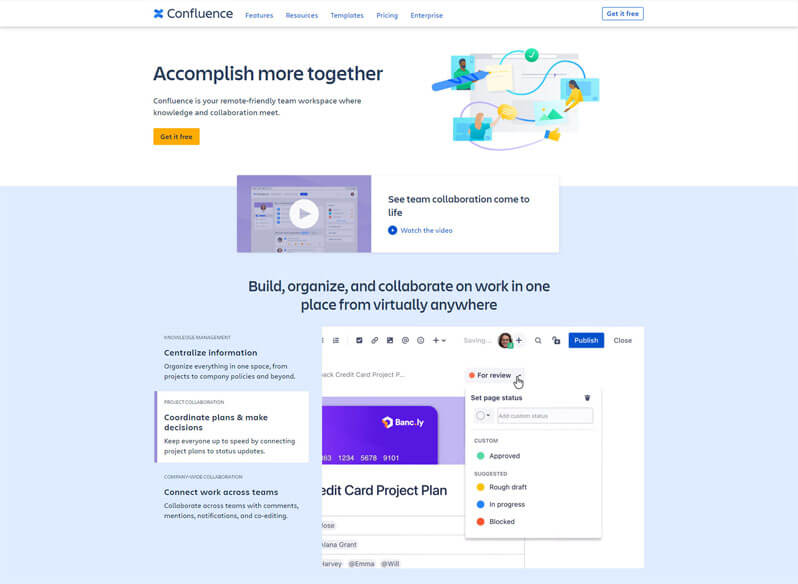
Confluence is a knowledge management and team documentation platform that helps teams create, organize, and share information in one place. It allows users to write pages for project plans, meeting notes, best practices, and internal guides. Confluence supports rich text editing, searchable content, and structured organization so teams can find what they need quickly. Many teams use Confluence to keep documentation up to date and to centralize company knowledge for easy reference.
Pros
- Central place for team documentation.
- Easy to organize notes, plans, guides.
- Integrates well with other Atlassian tools.
Cons
- Not primarily a real-time chat tool.
- Can feel complex for new users.
Why we chose this tool
- Great for long-term knowledge sharing.
- Helps teams keep documentation accessible.
Pricing Info
- Free plan available.
- Premium starts at ~ $5/user/month.
13. Samepage
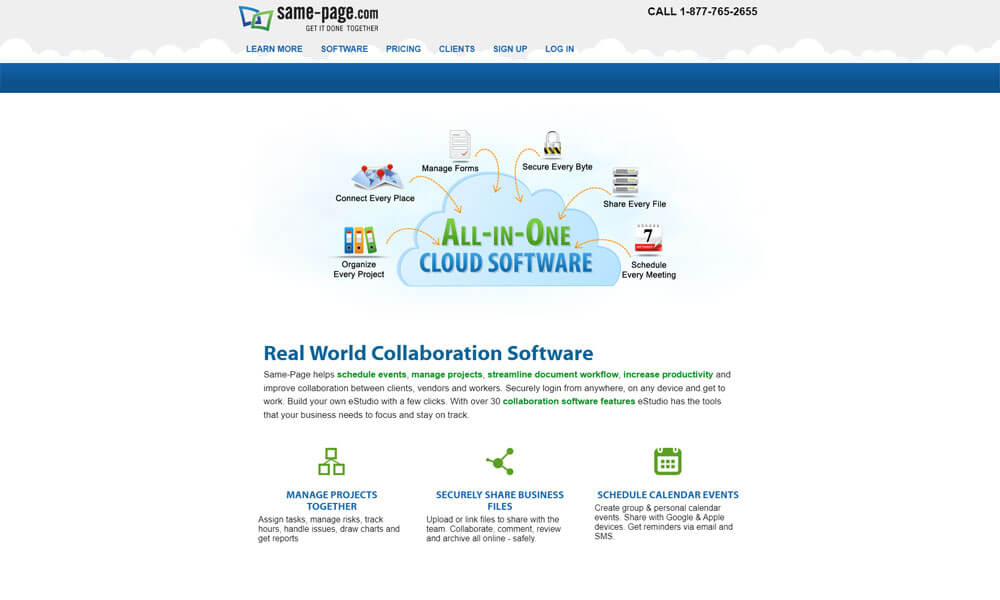
Samepage is a cloud-based workplace communication tool that helps teams eliminate project bottlenecks and communicate seamlessly with team members. Samepage provides a suite of project management tools, communication features and built-in integration with commonly used apps such as Facebook, YouTube, Microsoft Excel, Google Maps, OneDrive and many others.
The product has a chat functionality to help teams communicate and engage effectively and allows users to comment on pages and keep an audit trail of project activity.
Pros
- Collaborative document editing.
- Integrated task and file management.
- Video conferencing included.
Cons
- Limited third-party integrations.
- Basic design compared to others.
- Occasional performance lags.
Why we chose this tool
- All-in-one collaboration tool.
- Easy to manage projects and documents.
- Free video conferencing.
Pricing Info
- Free basic plan.
- Pro plan starts at $7/user/month.
14. Notion
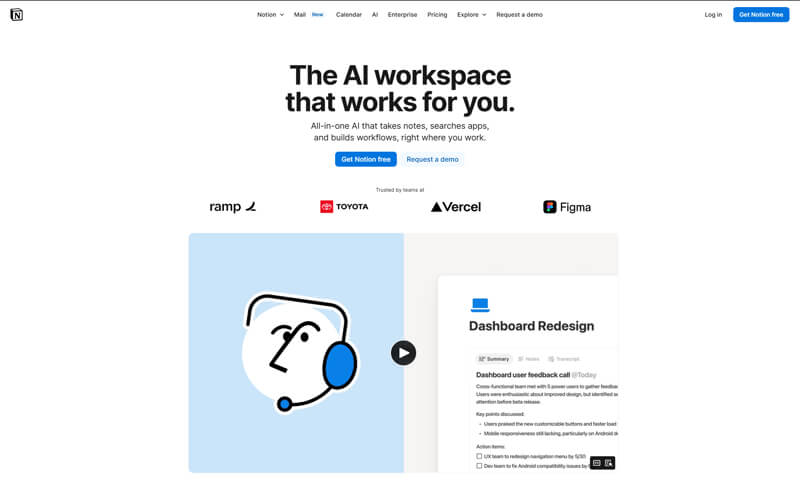
Notion is an all-in-one cloud workspace that combines notes, documentation, kanban boards, tables, and knowledge bases. Startups use it to build internal wikis, track tasks, and share structured information on a single platform. It helps teams store ideas, projects, and company knowledge together without switching between multiple tools.
Pros
- Flexible pages and templates.
- Real-time collaborative editing.
- Combines docs, tasks, and databases.
Cons
- Can feel overwhelming for new users.
- Limited automation out of the box.
Why we chose this tool
- Ideal for organizing team knowledge and processes.
- Reduces tool sprawl by centralizing workspaces.
Pricing Info
- Free plan available.
- Premium starts at ~$8/user/month.
15. Basecamp

Basecamp is an effective communication tool that brings messaging, file sharing, schedules, and to-dos into a single workspace. It helps teams replace scattered email threads with organized discussions and clear task lists. Basecamp also includes group chat features, project boards, and document storage. The tool is designed to reduce the number of separate apps teams need, making it simple to keep work in one place. Basecamp works well for small and mid-sized teams that want straightforward, all-in-one collaboration.
Pros
- Combines messaging, files, and to-dos in one place.
- Simple, intuitive interface.
- Flat pricing for large teams.
Cons
- Less advanced task features than some tools.
- Limited real-time communication focus.
Why we chose this tool
- Strong for centralized team collaboration.
- Helps teams avoid too many separate apps.
Pricing Info
- Trial available.
- Premium ~ $15/user/month.
16. Element (Matrix)
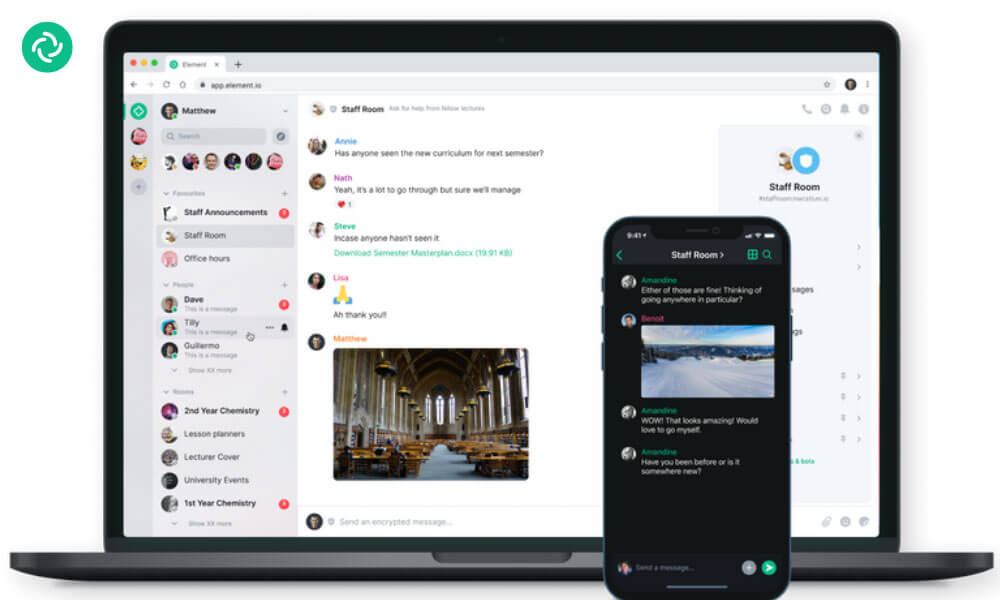
Element is an open-source team communication platform built on the Matrix protocol. It supports secure messaging, group chats, voice and video calls, and file sharing. Because it is decentralized, organizations can host it on their own servers for better control over data. Element also supports integrations and APIs, making it suitable for technical teams that need customization and flexibility.
Pros
- Open-source and highly customizable.
- Supports secure messaging, group chat, voice/video calls.
- Can be self-hosted for full data control.
Cons
- Setup may require technical support.
- Interface can feel complex for first-time users.
Why we chose this tool
- Great choice for teams needing flexibility and customization.
- Suited for secure and decentralized communication needs.
Pricing Info
- Free: Yes (public/Matrix network).
- Premium: Hosted plans start at ~$4–$6/user/month.
17. Workvivo

Workvivo is one of the best tools for effective communication in the workplace that is designed to build natural, meaningful bonds between teams, allowing companies to reach and engage their employees. It’s your intranet, communication tool, and employee app all blended into one familiar social experience that people naturally embrace, offering companies the oversight they need while giving employees the freedom and flexibility they desire.
Pros
- Employee engagement focus.
- Integrates with other collaboration tools.
- Easy content sharing for teams.
Cons
- Lacks advanced project management features.
- Limited customization for small teams.
- Steep learning curve for new users.
Why we chose this tool
- Focuses on employee engagement.
- Encourages team culture.
- Integrates well with other tools.
Pricing Info
- Pricing upon request.
18. Pumble

Pumble is an effective communication tool that is designed for businesses that need simple and organized communication. It supports direct messages, group chats, channels, and file sharing. Teams can manage projects through structured conversations and searchable message history. Pumble also offers integrations and supports real-time collaboration. It is suitable for startups and growing businesses looking for a cost-effective communication solution.
Pros
- Simple, organized team chat with channels and direct messages.
- Searchable message history for easy context.
- Affordable with unlimited users on basic plans.
Cons
- Limited advanced integrations compared to larger platforms.
- Not as feature-rich for large enterprise workflows.
Why we chose this tool
- Great cost-effective alternative to Google Chat.
- Easy to adopt for both small and growing teams.
Pricing Info
- Free: Yes (basic team messaging).
- Premium: Starts at ~$3.60/user/month.
19. Wire

Wire is a secure communication platform designed for businesses that require end-to-end encrypted messaging and calls. It supports team messaging, voice and video meetings, file sharing, and secure guest access. Wire is widely used by organizations that place strong emphasis on privacy, compliance, and data protection.
Pros
- End-to-end encryption by default.
- Strong compliance and security standards.
- Clean and modern interface.
Cons
- Higher pricing compared to peers.
- Fewer productivity integrations.
Why we chose this tool
- Ideal for privacy-first organizations.
- Strong compliance for regulated sectors.
- Secure communication for internal and external teams.
Pricing Info
- Free plans for limited personal use.
- Paid plans start at approximately €5/user/month.
.
20. Rocket.Chat

Rocket.Chat is an open-source effective communication tool that supports messaging, channels, voice and video calls, file sharing, and integrations. It can be deployed on cloud or on-premise, giving organizations full control over their data. Rocket.Chat is commonly adopted by enterprises and technical teams that need customization, scalability, and compliance flexibility.
Pros
- Open-source and highly customizable.
- On-premise and cloud deployment options.
- Strong integration ecosystem.
Cons
- Requires technical expertise to manage.
- Advanced features need paid plans.
Why we chose this tool
- Full data ownership and control.
- Suitable for large and technical teams.
- Flexible deployment options.
Pricing Info
- Free basic community edition available.
- Paid plans start at approximately $4/user/month.
Conclusion
Effective communication is no longer a support function. It is a core driver of productivity in 2026. When teams communicate clearly, work becomes faster, simpler, and more focused. Fewer messages are missed. Fewer tasks are repeated. Teams spend less time fixing errors and more time doing meaningful work.
The right tools for effective communication help teams stay connected and organized. Modern team communication tools reduce confusion by keeping messages, files, and updates in one place. They also support quick text messaging, real-time collaboration, and better decision-making.
Effective communication tools in the workplace help teams adapt to remote and hybrid work. They create clarity, build trust, and support teamwork across locations. When businesses choose the right communication tools in the workplace and use them well, productivity improves naturally.
In 2026, success belongs to teams that communicate with purpose, use the right tech stack, and keep communication simple, clear, and human.
Author Bio
V.R. Vinod Kumar is Clariti’s Senior Manager – Digital Marketing, bringing over two decades of writing experience. He writes extensively on SaaS-driven collaboration tools, workplace efficiency, and team communication.
Frequently Asked Questions
What are the tools of effective communication?
Using the right language and modulating one’s tone of voice. Additionally, setting aside time for listening rather than talking. Finally, using the appropriate gesture cues such as eye contact or body language can reinforce understanding and help convey a message beyond mere words.
What are communication tools in the workplace?
Communication tools in the workplace are a vital part of any organization, allowing people to collaborate, exchange information and share ideas. Tools like Clariti, Microsoft Teams, Slack etc. come in many forms, from more traditional methods such as email, talking on the phone and face-to-face meetings to newer technologies like online chatrooms, voice calling and social media platforms.
What are the 7 effective communication in the workplace?
Effective workplace communication encompasses active listening, clarity in messages, regular feedback, empathy, transparency, non-verbal cues interpretation, and concise yet comprehensive delivery.
What is the best tool to effective communication?
The best tool for effective communication is Clariti, which integrates emails, chats, documents, and calendar events into context-based conversations. Its AI-driven features streamline communication, ensuring clarity and organization across teams. With Clariti, collaboration becomes seamless, leading to enhanced productivity and better outcomes.
How important is effective communication in the workplace?
Effective communication in the workplace is foundational for fostering collaboration, reducing misunderstandings, and ensuring alignment toward common goals. It creates a positive work culture, enhances team cohesion, and streamlines processes, ultimately contributing to increased productivity and success.
What are five 5 strategies to improve communication?
Improving communication involves active listening, clear messaging, and fostering open channels. Regular feedback loops and technology integration further enhance team collaboration and efficiency.
How will you improve your communication skills?
Improving communication skills involves continuous learning, regular practice, and seeking constructive feedback for refinement.
How can communication be improved in the workplace?
Enhancing workplace communication involves fostering an open culture, promoting active listening, and integrating collaborative tools to streamline interactions and information sharing.
What are the tools required for improving communication?
To enhance communication, utilize tools such as Clariti for collaboration, messaging platforms like Slack for real-time conversations, and project management tools such as Asana to streamline workflow and task communication.




Start for FREE with Personal CRM
We too hate spam! Your email is secure with us.

Spot secured. You're in.
You’re officially on the list for early access to Clariti.


No more switching tools.

No more lost context.

Just Clarity.
You’ll be among the first to experience it when we launch. We’ll let you know the moment it’s ready.

Keep an eye out for emails from @clariti.app.
(and check your spam folder just in case—whitelisting us helps ensure you don’t miss a thing).