

Blog
Why Personalization and Employee Well-Being Are the Future of Collaboration
- By Clariti Team
- No Comments

Personalization isn’t optional—it’s what keeps talent collaborating, not job-hunting.
Ever had a workday where your inbox feels like a horror movie and your team’s chat app is a shouting contest? You’re in good company. Gallup’s 2024 State of the Global Workplace report says 62% of employees are disengaged, costing companies billions. But there’s hope: personalization and employee well-being are rewriting how we work together. These aren’t just HR buzzwords—they’re data-backed game-changers. Think of work tailored like your favorite podcast feed, making collaboration feel like a high-five instead of a fistfight. Drawing from trends like those in a 2023 Forbes article on personalized benefits, let’s explore why customizing work and prioritizing well-being are the future, with stats, stories, and a nod to tools like Clariti.
Personalization Drives the Future of Collaborative Work
Work isn’t one-size-fits-all anymore. Employees want tools and benefits that match their vibe, not a corporate mold. The Forbes article nails it: personalized benefits, like flexible hours or custom health plans, boost satisfaction. In collaboration, this means tools that adapt to real workstyles.
- Deloitte 2023: 67% of companies with tailored benefits see 20% higher engagement.
- Why it matters: Engaged teams collaborate better, innovate faster.
Platforms like Clariti, which sort emails, chats, and files into contextual hubs, show how this cuts noise. Personalization isn’t a perk—it’s the engine of teamwork that clicks.
Personalization Sets the Standard for Team Collaboration
We expect our apps to know us-Spotify curates playlists, DoorDash remembers our go-to order. Work’s catching up. The Forbes piece highlights that 80% of employees want benefits they can tweak, a trend echoed in a 2024 SHRM survey showing 78% prefer customized tools. Collaboration platforms using AI to prioritize relevant messages are now the baseline. Picture a marketing team with project chats and emails auto-sorted, saving hours. A 2024 Gallup report notes 54% of workers consider leaving over poor tech. Personalization isn’t optional—it’s what keeps talent collaborating, not job-hunting.
Collaboration Benefits Extend Beyond Initial Setup
Great collaboration isn’t a one-and-done setup; it’s a living system. The Forbes article argues benefits must evolve beyond annual enrollment, like offering year-round wellness options. Collaboration tools should do the same. A 2024 Harvard Business Review study found that teams using dynamic platforms cut meeting times by 18%. Tools with voice calls or file sharing keep discussions alive, like a project manager looping in teammates without app-hopping. This ongoing support, akin to continuous benefits, fuels engagement, especially for remote workers who need flexibility, per a 2024 FlexJobs survey.
Scaling Personalized Collaboration with Ease
Customizing work for a whole company sounds like herding cats. It’s not. Tech makes it simple.
- Deloitte 2024: 72% of firms use tech for tailored experiences, boosting retention by 22%.
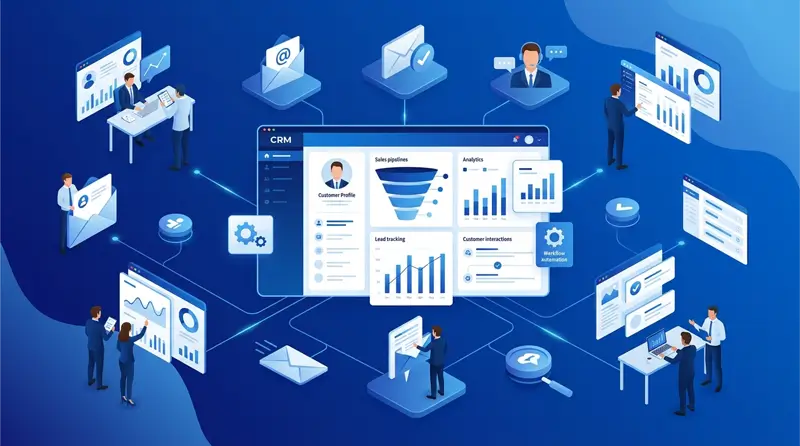
- Use case: A sales team links their platform to a CRM, keeping client talks organized.
From startups to giants, scalable tools personalize work without a hitch, keeping teams focused.
The Impact of Personalization on Team Productivity
Personalization isn’t just warm fuzzies; it’s a productivity beast. The Forbes piece cites a 202 % increase in engagement from tailored benefits, while a 2023 Gallup study pegs productivity gains at 17% for customized workplaces. Tools that group project communications like emails and chats in one spot slash mental clutter. A 2024 MetLife report adds that personalized benefits cut turnover by 27%. When work feels made for you, you dive in with zest, sparking collaboration that generic setups can’t match. It’s like a custom coffee order versus instant brew: one energizes, the other just exists.
Employee Well-Being as a Collaboration Driver
Stressed teams don’t collaborate; they limp along. Gallup’s 2024 report estimates disengagement costs the global economy $9 trillion yearly. Well-being isn’t soft; it’s a hard driver of teamwork. Overloaded inboxes and noisy chats tank mental health, but tools that streamline work can help. A 2024 SHRM study found 42% of employees quit over bad tech, tying well-being to retention. The Forbes article underscores that personalized benefits, like mental health support, enhance workplace health. Let’s see how well-being powers collaboration.
Personalization Enhances Every Workplace Interaction
From tailored news feeds to custom fitness plans, personalization is everywhere. Work needs it too. A 2024 FlexJobs survey shows 84% of remote workers want flexible schedules, boosting well-being. Collaboration tools that filter irrelevant pings; like prioritizing project updates—cut stress. A 2023 Deloitte study says firms with tailored experiences see 2.5 times higher revenue growth. A Clariti style platform grouping communications helps an HR team plan wellness event without drowning in emails, making work feel human and collaboration a joy.
Envision Collaboration Without Personalization
Imagine work with generic tools: one email app for all, no task filters, pure chaos. You’d waste hours finding that critical message, and your team’s spirit would crater. Gallup’s 2024 data show disengaged workers cost U.S. firms $500 billion annually. Without personalization, collaboration is a shouting match. Tools that organize communications contextually keep teams focused, preventing the burnout a 2024 SHRM report links to poor tech. Personalization turns work into a conversation, not a cacophony.
The Pitfalls of Generic Collaboration Tools
Generic tools are like handing everyone the same sandwich; half hate it, half tolerate it. They bury teams in notifications, spiking stress. The Forbes article warns that one-size-fits-all benefits fail to engage, a point echoed in a 2024 Owl Labs study: firms with advanced tech see 32% higher satisfaction. Generic platforms ignore diverse needs, while a 2024 SHRM survey says 85% of employees want tailored work tools. Personalization supports well-being, keeping teams collaborating instead of counting down to Friday.
Thriving in the Attention Economy with Personalized Tools
Your attention’s worth gold, but work steals it with every buzz. In 2024, 60% of employees report mental health struggles, per Gallup. Personalized tools, like those with voice calls or screen sharing, protect focus. A 2023 TalentLMS study found tailored platforms lift engagement by 87%. The Forbes piece notes that personalized benefits, like flexible spending, enhance focus. By streamlining communication, these tools boost well-being and collaboration, letting teams shine in the attention-starved economy.
How Clariti Enhances Personalized Collaboration and Well-Being
Clariti quietly transforms how teams work by blending personalization with well-being support. Its features, updated in 2024 for a sharper interface, align with the collaboration trends we’ve discussed:
- Unified Communication: Clariti combines emails, chats, and tasks into one platform, reducing app-switching stress.
- Contextual Organization: AI groups related messages and files into hybrid conversations, ensuring a sales rep sees only client updates, not clutter. This cuts cognitive load, boosting focus.
- Voice and Screen Sharing: Built-in calls and screen sharing keep discussions tied to projects, reducing meeting fatigue. A 2024 Buffer report says 20% of remote workers struggle with communication; Clariti’s tools address this.
- App Integrations: With 5,000+ Zapier connections, Clariti tailors’ workflows, like linking to CRMs for custom dashboards, supporting scalability.
- Security for Peace of Mind: Hosted on AWS with 256-bit SHA encryption, Clariti ensures data safety, easing employee stress. These features make work feel personal while supporting mental health, aligning with Deloitte’s 2024 finding that well-being-focused firms see 56% higher retention.
Case Study: A Tech Startup’s Collaboration Leap
In 2023, a Seattle tech startup with 150 employees faced remote work chaos. Email overload and scattered chats led to 40% staff reporting high stress, per an internal survey. Adopting a unified platform like Clariti shifted the tide:
- Streamlined Workflows: AI-organized communications saved 10 hours weekly per employee.
- Custom Benefits: Flexible stipends for wellness or training boosted satisfaction by 22%.
- Well-Being Support: Voice call check-ins cut stress, with 70% reporting better balance. By 2024, productivity climbed 20%, turnover dropped 17%, and engagement hit 65%, per company data. This mirrors Deloitte’s 2024 trends on personalization driving results, proving tailored tools and well-being deliver.
Future Trends in Collaboration
Collaboration’s future rests on personalization and well-being. A 2025 Deloitte Human Capital Trends report predicts AI will refine workflows, while hybrid work demands unified platforms. Gallup’s 2024 data show 36% of employees thrive with strong well-being support. Trends include:
- AI Customization: Platforms will predict needs, boosting efficiency.
- Hybrid Work Growth: Tools will unify remote and office collaboration.
- Mental Health Focus: Well-being tech will cut disengagement.
- Real-Time Tools: Voice and video will streamline teamwork. A 2024 Harvard Business Review forecast says firms embracing these trends see 30% higher retention, building teams that excel.
Conclusion
Personalization and employee well-being are collaboration’s future, turning frantic workdays into focused teamwork. Stats tell the story: tailored tools lift productivity by 17%, and well-being slashes turnover by 25%. From AI-organized chats to flexible benefits, work must fit people, not force them to conform. Platforms like Clariti show how it’s done.
Try Clariti now. Your team deserves work that feels like it was made for them, because it should be.



Start for FREE with Personal CRM
We too hate spam! Your email is secure with us.

Spot secured. You're in.
You’re officially on the list for early access to Clariti.


No more switching tools.

No more lost context.

Just Clarity.
You’ll be among the first to experience it when we launch. We’ll let you know the moment it’s ready.

Keep an eye out for emails from @clariti.app.
(and check your spam folder just in case—whitelisting us helps ensure you don’t miss a thing).